Diesel Generators for Power Factor Control A Comprehensive Guide
Introduction Diesel generators are widely used for providing backup power in various industries, commercial buildings, residential complexes, and other applications where a reliable source of electricity is essential. These generators are known for their efficiency, reliability, and durability, making them a popular choice for ensuring uninterrupted power supply during outages or in remote locations where access to the grid is limited. In addition to serving as a primary or backup power source, diesel generators can also play a crucial role in power factor control, helping to improve the overall efficiency and stability of electrical systems. Power factor is a critical parameter in electrical systems that determines the efficiency of power transfer from the source to the load. A power factor of 1 indicates that all the power supplied by the source is being utilized by the load, while a power factor less than 1 indicates that a portion of the power is being wasted. Diesel generators can be used to improve power factor by supplying reactive power to the system, thereby reducing energy losses and improving overall system efficiency. In this article, we will explore the role of diesel generators in power factor control, their benefits, applications, and best practices for optimizing power factor using diesel generators. Understanding Power Factor Before delving into the role of diesel generators in power factor control, it is important to understand what power factor is and why it is crucial in electrical systems. Power factor is defined as the ratio of real power (kW) to apparent power (kVA) in an AC circuit and is expressed as a value between 0 and 1. A power factor of 1 indicates that the voltage and current are in phase, meaning that all the power supplied by the source is being used to perform useful work. In contrast, a power factor less than 1 indicates that the current lags or leads the voltage, resulting in reactive power that does not contribute to useful work. Low power factor can lead to a range of issues in electrical systems, including increased energy losses, reduced system efficiency, voltage drops, and increased electricity bills. By improving power factor, the overall efficiency and performance of the electrical system can be enhanced, leading to cost savings, improved reliability, and reduced environmental impact. bojinsi can play a significant role in power factor correction by supplying reactive power to compensate for the lagging or leading currents, thereby improving the power factor and optimizing system performance. Role of Diesel Generators in Power Factor Control Diesel generators are versatile power generation units that can be used for a wide range of applications, including power factor correction. By operating in parallel with the utility grid or other power sources, diesel generators can provide reactive power support to improve power factor and enhance system efficiency. Diesel generators are capable of supplying both real power (kW) and reactive power (kVAR), making them ideal for power factor correction applications where a balance between active and reactive power is required. One of the key advantages of using diesel generators for power factor control is their ability to respond quickly to changes in load demand and power factor requirements. Diesel generators can be synchronized with the grid or other generators to ensure a seamless transition between power sources and maintain stable voltage and frequency levels. This flexibility and reliability make diesel generators an effective solution for improving power factor and optimizing system performance in various industrial and commercial settings. 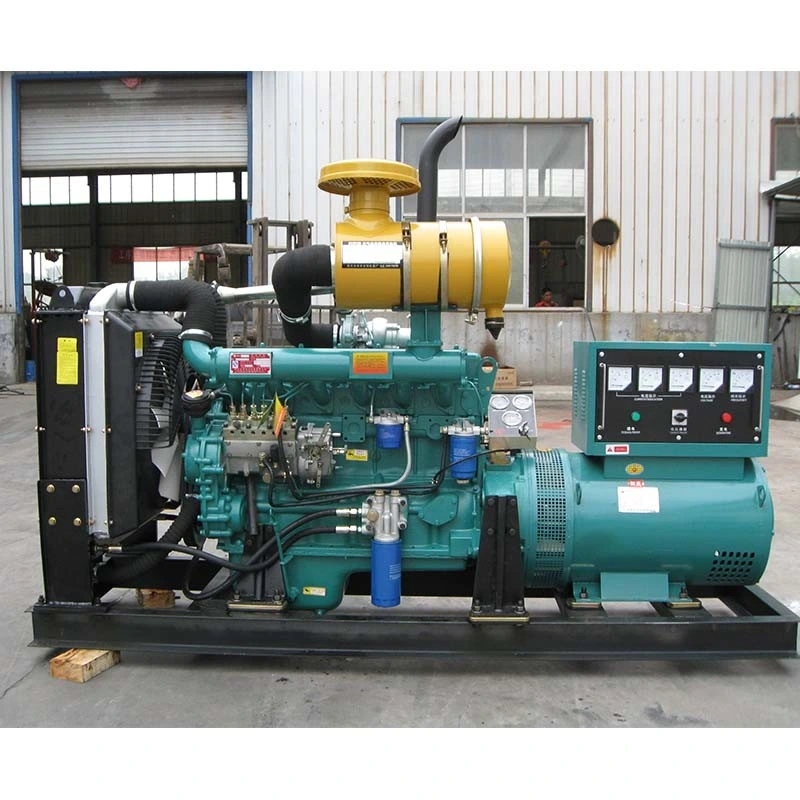 Benefits of Using Diesel Generators for Power Factor Control There are several benefits to using diesel generators for power factor control in electrical systems. Some of the key advantages include: 1. Improved System Efficiency: By supplying reactive power to compensate for lagging or leading currents, diesel generators can help improve power factor and reduce energy losses in the system. This results in increased efficiency and reduced operating costs over time. 2. Enhanced Voltage Stability: Diesel generators can help stabilize voltage levels by providing reactive power support during fluctuations in load demand. This helps maintain system reliability and prevents voltage sags or surges that can damage sensitive equipment. 3. Increased System Reliability: Diesel generators can serve as a reliable backup power source in case of grid outages or other emergencies, ensuring uninterrupted power supply to critical loads. By improving power factor, diesel generators can further enhance system reliability and resilience. 4. Cost Savings: By optimizing power factor and reducing energy losses, diesel generators can help lower electricity bills and improve overall cost-effectiveness of the electrical system. This can lead to significant savings in the long run, making diesel generators a cost-effective solution for power factor control. Applications of Diesel Generators for Power Factor Control Diesel generators can be used for power factor control in a wide range of applications across various industries and sectors. Some common applications include: 1. Manufacturing Facilities: Industrial plants and manufacturing facilities often have fluctuating load demands and varying power factor requirements. Diesel generators can be used to provide reactive power support and improve power factor, ensuring efficient and reliable operation of critical equipment. 2. Commercial Buildings: Office buildings, shopping malls, hotels, and other commercial establishments require a stable and efficient power supply to support their operations. Diesel generators can be integrated into the electrical system to enhance power factor control and minimize energy losses. 3. Data Centers: Data centers and IT facilities rely on a continuous and reliable power supply to prevent data loss and downtime. Diesel generators can be used for power factor correction to ensure optimal performance and stability of the electrical infrastructure. 4. Hospitals and Healthcare Facilities: Hospitals and healthcare facilities depend on uninterrupted power supply to support critical medical equipment and lifesaving procedures. Diesel generators can play a vital role in power factor control to maintain system reliability and meet the stringent power quality requirements of healthcare facilities. 5. Remote Locations: Off-grid sites, remote installations, and mobile units often face challenges in accessing the utility grid or stable power supply. Diesel generators can be deployed to provide both real and reactive power, improving power factor and ensuring continuous operation in isolated or remote locations. Best Practices for Optimizing Power Factor Using Diesel Generators To achieve maximum benefits from using diesel generators for power factor control, it is essential to follow best practices and guidelines for system design, operation, and maintenance. Some key best practices include: 1. Proper Sizing: Select a diesel generator with the appropriate capacity to meet the reactive power requirements of the electrical system and ensure optimal power factor correction. Oversized or undersized generators may lead to inefficiencies and performance issues. 2. Regular Maintenance: Maintain diesel generators in good working condition by following a routine maintenance schedule and conducting regular inspections, servicing, and testing. Proper maintenance helps ensure the reliability and longevity of the generator and prevents unexpected failures. 3. Monitoring and Control: Implement a monitoring and control system to track power factor, load demand, and generator performance in real-time. By monitoring key parameters and adjusting generator operation as needed, optimal power factor control can be achieved to improve system efficiency. 4. Load Management: Manage and balance the load across multiple power sources, including diesel generators, to optimize power factor and minimize energy losses. Distribute the load evenly and avoid overloading the generators to maintain stable performance and efficiency. 5. Training and Education: Provide training to operators and maintenance personnel on the proper operation, maintenance, and safety procedures related to diesel generators. Well-trained staff can help prevent errors, optimize system performance, and ensure the safe and efficient operation of the generators. Conclusion Diesel generators play a crucial role in power factor control by providing reactive power support to improve system efficiency, stability, and reliability. By optimizing power factor using diesel generators, electrical systems can reduce energy losses, enhance voltage stability, and lower operating costs while ensuring uninterrupted power supply to critical loads. With their versatility, reliability, and efficiency, diesel generators are a valuable asset in various applications where power factor correction is essential. By following best practices for system design, operation, and maintenance, diesel generators can effectively contribute to optimizing power factor and enhancing the overall performance of electrical systems.